

Uncategorized
How to Choose a Cigar: A Beginner-Friendly Guide
Oct
Choosing the right cigar can feel overwhelming, especially if you’re just starting. With so many options—different shapes, sizes, strengths, and countries of origin—it’s easy to feel lost. The good news is that selecting a cigar becomes simple once you understand a few key basics.
This beginner-friendly guide will help you confidently choose a cigar, whether you’re trying your first smoke or buying one as a gift.
Why Choosing the Right Cigar Matters
Picking the right cigar is about more than flavor. A cigar influences the entire smoking experience. A cigar that is too strong or poorly constructed can make the experience unpleasant, particularly for beginners.
The right cigar, however, can be smooth, relaxing, and memorable. Many people enjoy cigars during celebrations, social gatherings, or quiet moments of relaxation. Choosing a cigar that matches the occasion helps ensure a better experience.
Cigar Anatomy 101
To choose a cigar wisely, it helps to understand how cigars are made. Every cigar consists of three main parts.
Wrapper
The wrapper is the outer tobacco leaf. It contributes significantly to flavor and gives the cigar its visual appeal. Wrappers come in different colors and textures, each influencing taste.
Binder
The binder sits beneath the wrapper and holds the cigar together. While it plays a smaller role in flavor, it is essential for proper construction and burn quality.
Filler
The filler is the blend of tobacco leaves inside the cigar. This is the main source of strength, aroma, and flavor complexity.
You can think of a cigar like a sandwich: the wrapper forms the outside, the binder keeps everything together, and the filler delivers the main taste.
1. What’s the Occasion?
Your reason for smoking should guide your choice.
For celebrations such as weddings or graduations, many smokers prefer premium cigars known for quality and prestige. For casual relaxation or a first-time experience, smoother and milder cigars are usually the best option. When buying a cigar as a gift, selecting a respected brand with elegant presentation is often a safe decision.
Considering where and when you plan to smoke helps narrow your options quickly.
2. Strength: Mild, Medium, or Full?
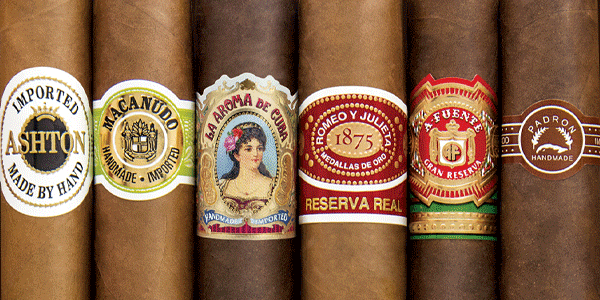
Cigars are generally categorized by strength, which refers to both nicotine intensity and flavor boldness.
| Strength | Who It’s For | Examples |
|---|---|---|
| Mild | Beginners | Romeo y Julieta No. 2, Nub Connecticut 460 |
| Medium | Some experience | Hoyo de Monterrey Epicure No. 2, Montecristo Edmundo |
| Full | Seasoned smokers | Partagas Serie D No. 4, Bolivar Royal Coronas |
Strength is not only about nicotine. Mild cigars usually offer creamy and smooth flavors, while full-bodied cigars tend to deliver richer, spicier, and more complex profiles.
3. Cigar Sizes and Shapes
The size and shape of a cigar affect smoking time, flavor development, and overall comfort.
Length
Measured in inches, length determines how long a cigar will typically last.
Ring Gauge
This measures thickness. Thicker cigars burn cooler and often feel smoother.
Shape
- Parejo: Straight-sided cigars such as the Robusto
- Figurado: Shaped cigars like Torpedo or Perfecto
For beginners, the Robusto size (approximately 5″ x 50) is often recommended because it offers balanced flavor, manageable smoking time, and an even burn.
4. Cigar Wrappers: What the Color Means
Wrapper color often gives clues about flavor characteristics.
| Wrapper Color | Taste Profile | Good For |
|---|---|---|
| Claro (Light) | Smooth and mild | Beginners |
| Colorado | Balanced and earthy | Everyday smoking |
| Oscuro (Dark) | Rich and bold | Experienced smokers |
Connecticut-grown wrappers are typically mild and creamy, while Maduro wrappers undergo longer fermentation, producing deeper and slightly sweeter flavors.
5. Where Cigars Come From: Cuban vs. Non-Cuban
Cuban cigars are world-famous for tradition and craftsmanship. Brands such as Cohiba, Montecristo, Partagas, and H. Upmann are widely respected among cigar enthusiasts.
However, excellent cigars are also produced outside Cuba. Nicaragua, the Dominican Republic, and Honduras manufacture high-quality cigars known for consistency and variety.
Many beginners find non-Cuban cigars easier to enjoy due to smoother flavor profiles and more accessible pricing.
6. Samplers Are Your Best Friend
If you are unsure which cigars you prefer, sampler packs are an excellent starting point. Samplers include a variety of strengths, wrappers, and brands, allowing you to explore different styles without purchasing a full box.
They are also popular gift choices and ideal for discovering personal preferences.
7. Where to Buy: Trust Matters
Always purchase cigars from reputable retailers, either online or in-store.
Look for sellers that maintain proper humidity storage around 70 percent. Quality cigars should appear smooth, slightly firm, and free from cracks or dryness. Reliable retailers also provide transparent customer reviews and knowledgeable assistance.
Proper storage ensures the cigar burns evenly and tastes as intended.
8. Budget Guide: How Much Should You Spend?
Enjoying cigars does not require spending large amounts of money.
| Budget | Price Range | What You Get |
|---|---|---|
| Entry-Level | €5–€10 | Good quality for beginners |
| Mid-Range | €10–€20 | Better consistency and flavor |
| Premium | €20+ | High-quality tobacco and craftsmanship |
For a first cigar, a mid-range option often provides the best balance between quality and value.
9. How to Read Cigar Descriptions
Cigar descriptions often include tasting terms that may seem unfamiliar at first.
- Creamy refers to smooth and soft smoke.
- Peppery indicates spice or sharpness.
- Earthy describes deep natural tobacco flavors.
- Toasty suggests roasted or woody notes.
- Sweet finish means a subtle sweetness remains after each puff.
Understanding these terms helps you choose cigars that match your taste preferences.
10. Don’t Be Afraid to Ask
Whether shopping online or visiting a cigar store, asking for recommendations can greatly improve your selection. Experienced retailers are usually happy to guide beginners toward cigars suited to their preferences and experience level.
The cigar community is welcoming, and learning from others is part of the experience.
Bonus Tip: Cigar Accessories You’ll Need
If this is your first cigar, a few essential accessories will improve your experience.
- Cutter: Used to clip the cigar cap before smoking
- Lighter: Butane torch lighters provide an even flame
- Ashtray: Keeps smoking comfortable and clean
- Humidor: Maintains proper humidity for cigar storage
Using the right accessories protects your cigars and enhances enjoyment.
FAQs
What cigar should I try first?
A mild cigar such as Nub Connecticut 460 or Romeo y Julieta No. 2 is a great starting point.
Should I start with a Cuban cigar?
You can, but many non-Cuban brands offer beginner-friendly options at more affordable prices.
What’s the best size cigar for beginners?
A Robusto cigar is ideal because it balances size, flavor, and smoking time.
Is an expensive cigar always better?
Not necessarily. Many mid-range cigars provide excellent quality and enjoyment.
Where should I buy my first cigar?
Choose a trusted retailer that stores cigars in proper humidity conditions.
What if I don’t like my first cigar?
That’s completely normal. Preferences develop over time, so trying different cigars helps you discover what suits you best.
